






































10 Q4 Packaging Mistakes to Avoid Before Peak Season

- 200+ templates & patterns
- Real time 3D packaging preview
- Upload logo and choose brand colours

Subscribe now! Receive 15% discount.
Don’t miss out – get 15% off your first order when you join the newsletter. It’s fast, free, and kinda smart.

You're now subscribed!
In this article:
- 01. Ordering packaging too late
- 02. Miscalculating the required quantity
- 03. Keeping zero stock for sudden upsells
- 04. Picking the wrong box size for couriers
- 05. Skipping a test print before full production
- 06. Relying on a single supplier without a Plan B
- 07. Ignoring real print production times
- 08. Forgetting the return buffer
- 09. Changing the graphic design at the last minute
- 10. Lacking brand consistency on the package
Preparing for the Q4 rush means securing your supplies early. At Packhelp, we see e-commerce brands scramble every year, then swear they will "never do that again". You can actually avoid the chaos by planning ahead. We offer custom printing starting from just 30 pieces in full CMYK color, so you can test designs without committing to massive volumes right away.
Q4 brings peak sales volume and extreme time pressure to every e-commerce business. Rushing through your preparations often means errors slip through the cracks, costing you money and frustrating your customers. Here are ten common packaging mistakes you should steer clear of to keep your fulfillment running smoothly during Black Friday and the holiday season. For a structured, step-by-step approach to these preparations, download this Q4 packaging checklist and go through it with your team before you start ordering.

01. Ordering packaging too late
Many store owners wait until late October or early November to hit the buy button on their seasonal supplies, assuming production lines operate at the same speed as they do in July.
Delaying your order puts your entire Black Friday operation at risk. Supply chains clog up during the fall and manufacturing facilities reach maximum capacity. If your custom boxes get delayed in production or transit, you will sit on a warehouse full of products that you simply cannot ship to your waiting customers.
Start the process in late summer. Finalize your designs by September and place your orders well before the holiday rush begins. If you find yourself in a tight spot, remember that plain, unprinted boxes have shorter lead times. At Packhelp, we process plain box orders in 7 days, giving you a fast backup option if you miss the window for custom prints.
02. Miscalculating the required quantity
Guessing your volume instead of looking at historical data is a fast track to inventory issues. Store managers often try to estimate their needs based on a gut feeling rather than hard numbers.
Running out of supplies stops your fulfillment completely, forcing you to buy expensive, low-quality alternatives from local retail stores just to keep packages moving. On the other hand, over-ordering massive quantities ties up your cash flow in cardboard that will sit in your warehouse gathering dust until next year.
Pull your sales reports from the previous Q4. Look at the exact number of shipments you sent out, factor in your current year-over-year growth rate, and add a logical percentage for seasonal promotions. Base your purchasing decisions on data so your cash flow stays healthy and your packing stations remain fully stocked.
03. Keeping zero stock for sudden upsells
Buying exactly enough boxes for your projected sales leaves no room for unexpected success. Some brands calculate their needs down to the single unit, ignoring the unpredictable nature of holiday shopping.
A viral social media post or an unexpectedly successful Black Friday campaign can drain your packaging inventory in hours. If you lack a buffer, you will face a sudden halt in operations right when your product is trending. You will miss out on revenue because you literally cannot pack the orders.
Always keep an emergency buffer. If you are testing a new product line and do not want to commit heavily, take advantage of low minimum order quantities. We produce custom boxes from 30 pieces, which allows you to keep a small, dedicated stash of extra packaging just in case a specific product suddenly takes off.
04. Picking the wrong box size for couriers
Ignoring carrier size limits is a common oversight when selecting a box. Brands often choose a package based solely on how the product looks inside, without checking the external dimensions against courier pricing brackets.
Shipping carriers charge based on dimensional weight, meaning they bill you for the space a package takes up in their truck, not just its physical weight. If your box is just one centimeter over a specific size tier, your shipping costs can double. Paying to ship empty air eats directly into your Q4 profit margins.
Match your product dimensions carefully to the available courier tiers in your region. Choose shipping boxes that fit snugly around your items while staying safely under the maximum size limits of your preferred delivery partners. Use paper fillers to protect the item instead of sizing up the entire box.
05. Skipping a test print before full production
Going straight to a massive production run without seeing a physical copy is a risky gamble. E-commerce owners sometimes approve a digital file and immediately order thousands of units to save time.
Colors look completely different on a brightly lit computer monitor than they do printed on physical cardboard. Your brand's signature blue might look purple, or your logo might appear blurry because the file resolution was too low. If you print ten thousand flawed boxes, you either ship an ugly package to your customers or throw away a large portion of your budget.
Order a small batch first to verify the colors and the structural integrity of the box. Packhelp prints digitally in full CMYK color, which means you can order a minimal quantity to check the exact physical output before you approve the final, high-volume production run.
06. Relying on a single supplier without a Plan B
Putting all your trust in one vendor is a risky strategy for the busiest time of the year. Many businesses establish a relationship with one manufacturer and assume nothing will ever go wrong.
If your sole supplier faces a material shortage, a machine breakdown, or a sudden logistical issue, your business stops. You have no leverage and no immediate alternative, leaving you completely exposed to external factors you cannot control.
Identify and onboard a secondary supplier before Q4 begins. You do not need to split your orders evenly, but having an active account and a verified contact at another company gives you an immediate safety net. If your primary source fails, you can shift production to your backup without wasting days searching for a new partner. To make this process easier, follow this detailed guide on choosing a Q4 packaging supplier and check each potential partner against these criteria.
07. Ignoring real print production times
Assuming custom prints happen overnight is a planning failure. Store owners often look at the delivery time of standard retail goods and expect custom manufacturing to match that speed.
Custom packaging requires file preparation, machine setup, printing, cutting, gluing, and drying. If you plan your big holiday marketing launch without factoring in these manufacturing steps, your products will be ready to sell while your boxes are still sitting on the production floor.
Ask your supplier for exact lead times and add a few extra days for safety. Remember that while delivery within the European Union takes 3 to 5 working days, the actual manufacturing process happens before the package ever reaches the courier. Build your Q4 timeline around the production schedule, not just the transit time.
08. Forgetting the return buffer
Counting only outbound shipments ignores the reality of Q4 e-commerce. Businesses often order packaging to send items out, completely forgetting what happens in January.
The weeks following the holidays are the busiest time for returns. When customers send products back, the original boxes are usually damaged, torn, or covered in multiple shipping labels. You need fresh packaging to process these returns, repackage the undamaged goods, and get them ready for resale.
Add an extra 15 to 20 percent to your final order specifically designated for processing returns. Having these materials ready in your warehouse means you can quickly turn returned inventory back into sellable stock, rather than waiting for a new batch of boxes to arrive in mid-January.
09. Changing the graphic design at the last minute
Tweaking the artwork right before the deadline creates unnecessary chaos. Marketing teams sometimes decide to add a holiday greeting or change a logo placement just days before the order needs to go to print.
Late modifications cause severe production delays. Every time you change a file, it has to go back through the prepress checking process. Rushed edits also increase the chance of human error, such as typos, misaligned graphics, or missing bleed margins, which can ruin the entire batch.
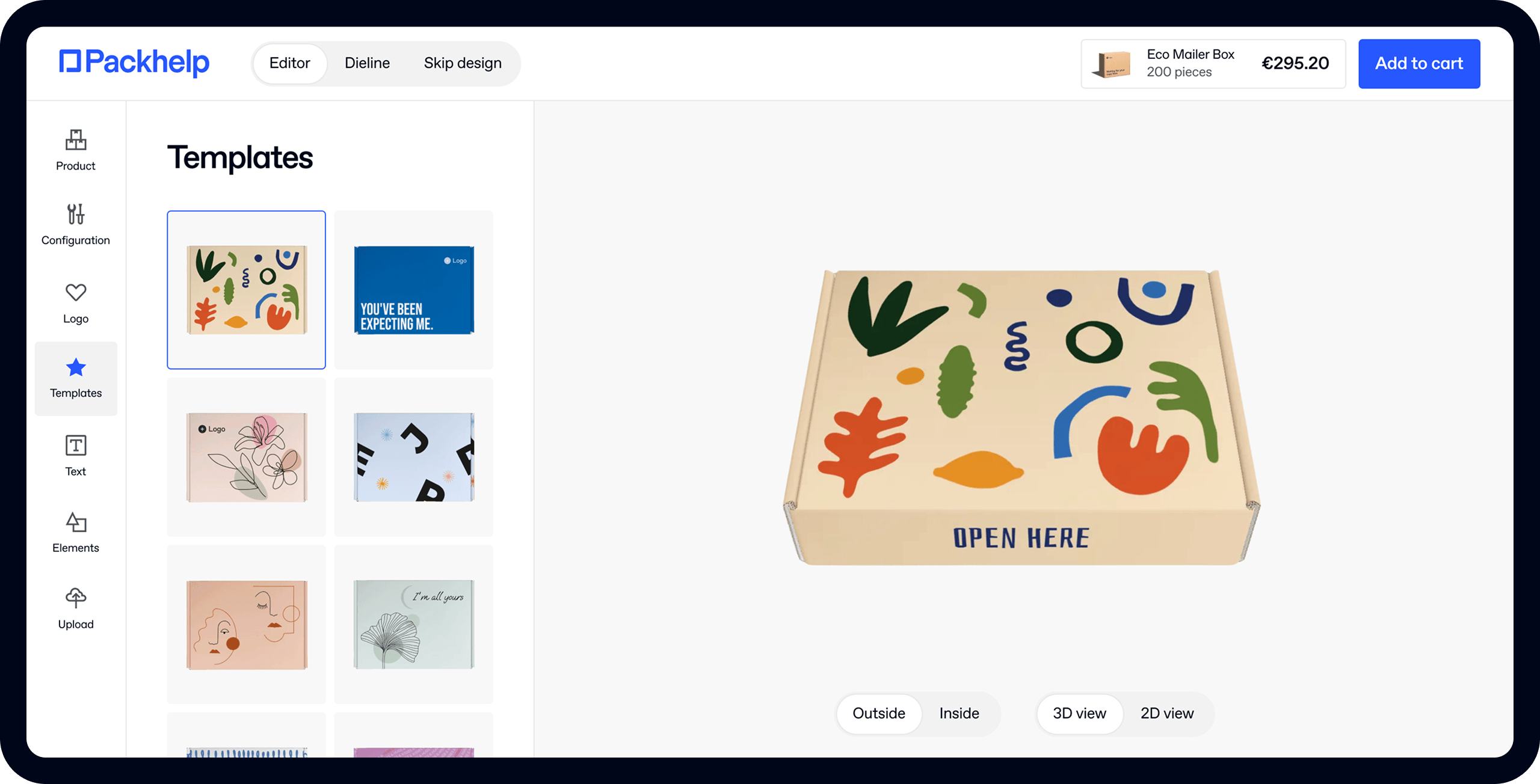
Lock down your designs early and enforce a strict deadline for marketing changes. Use our online editor with its 3D preview feature to visualize the final product from every angle. Once you confirm the 3D model and approve the design, freeze the project and move forward with production.
10. Lacking brand consistency on the package
Shipping in random, unbranded boxes damages your customer experience. In the rush of Q4, some businesses grab whatever plain boxes they can find and slap a shipping label on them.
A plain brown box does nothing for brand recall. During the holidays, your customers receive dozens of packages. If yours looks identical to a basic hardware store delivery, you lose a massive opportunity to stand out, build loyalty, and encourage repeat purchases in the new year.
Add your branding to every package that leaves your facility. If you do not have the budget or time for fully printed custom boxes, use custom labels to seal plain packages. A well-placed sticker with your logo instantly upgrades a standard box into a branded experience.
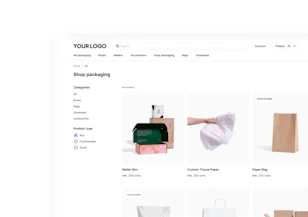
Panic and poor preparation tie all these errors together. Keep everything under control by finding all your supplies in one place. You can browse our full catalog of packaging to source your boxes, mailers, and accessories from a single partner and simplify your Q4 logistics.